OAIC LAGOS CONFAB: Global Pneumatic Christianity Poses a Risk of Homogenizing the Faith – Prof Anthony Okeregbe …Our heritage is deeply rooted in a Spirit-driven faith – Apostle Olugbenga Opasola
Professor Anthony Okoregbe, Head of the Department of Philosophy at the University of Lagos (UNILAG), has cautioned that the globalization of pneumatic Christianity risks homogenizing the faith by eroding indigenous practices and imposing Western liturgies and governance models.
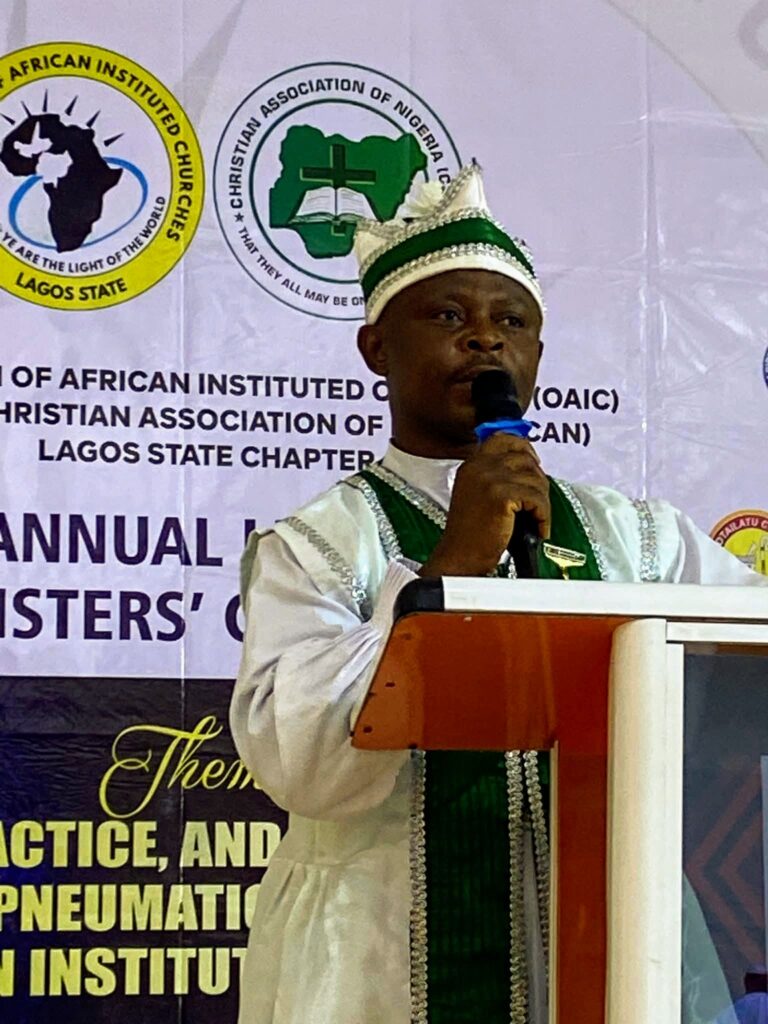
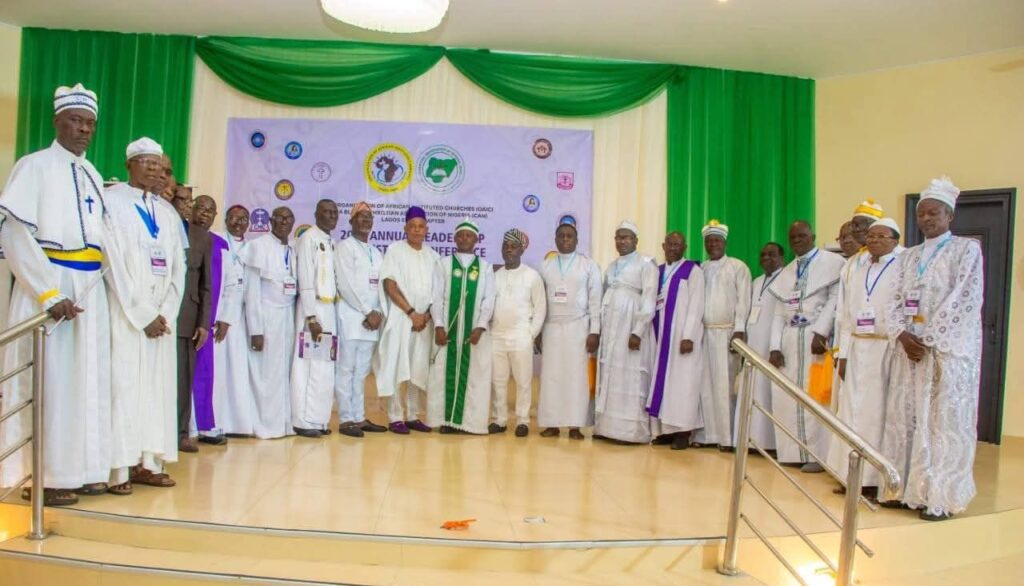
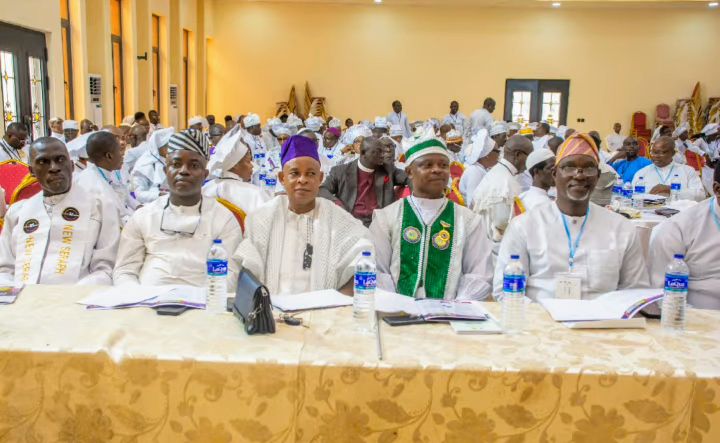
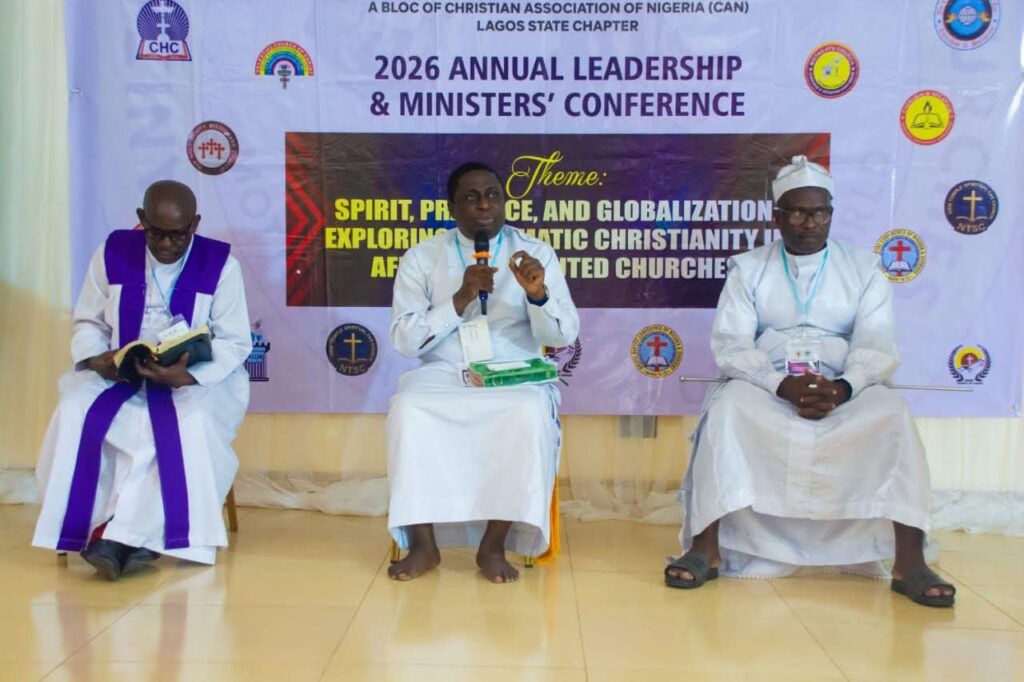
Speaking at the 2026 Leadership and Ministers’ Conference of the Organization of African Instituted Churches (OAIC) in Lagos State, with the theme, “Spirit, Practice, and Globalization: Exploring Pneumatic Christianity in African Instituted Churches”.
Prof. Okoregbe noted that African Independent Churches (AICs), also known as Aladura churches, have faced intense criticism and marginalization from other Christian denominations. Certain orthodox churches dispute their connection to apostolic succession, while Pentecostals and Evangelicals question their legitimacy as genuine Christians, often demonizing those that incorporate rituals, symbols, and practices perceived as unbiblical or affiliated with African traditional religion.
According to Prof. Okoregbe, these criticisms stem from typologies that categorize AICs under the integration of tradition and ritual, leading to accusations of occult practices, syncretism, and even messianic or non-Christian beliefs.
However, he emphasized that these disputed areas reveal the truth of Pneumatic Christianity, which operates on a profound understanding of the Holy Spirit’s presence in everyday life.
Prof. Okoregbe, a philosopher of religion who has developed an interest in how the global community views Africa and how Africa sees itself, explained that Pneumatic Christianity, associated with pneumatology, the branch of Christian theology concerned with the study of the Holy Spirit, poses a risk of homogenizing the faith by diluting indigenous practices and replacing them with imported liturgies and Western governance models.
He distinguished Pneumatic Christianity by its tangible, communal, and relatable understanding of the Spirit, perceiving the Spirit not merely as an abstract notion or theological category.
The elements of Pneumatic Christianity, including prayer, prophecy, and healing, underscore the believer’s embodiment of faith through rituals, moral principles, and communal life.
Prof. Okoregbe elaborated that prayer transcends private devotion, evolving into communal celebration or collective penitence, expressed through melodic songs, drumming, and dance, while prophecy serves as guidance for individuals and communities, addressing moral, political, and social issues with spiritual insight. Healing, he noted, restores relationships, reconciles communities, and reaffirms dignity.
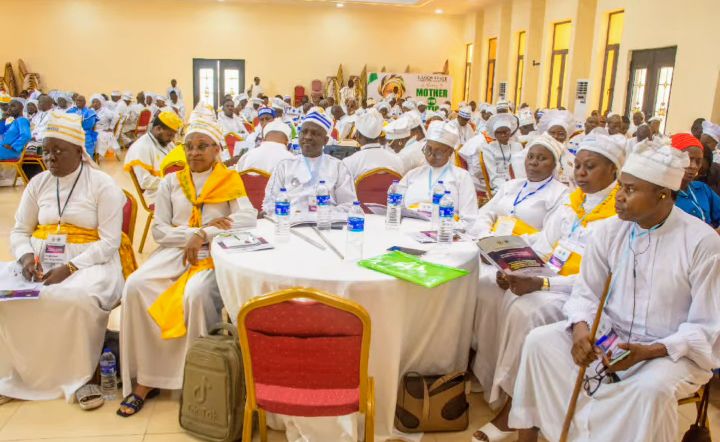
Reflecting on the epistemic status of the pneumatic tradition, Prof. Okoregbe encouraged Church leaders and ministers to participate and foster inclusivity, cultivating emotional intelligence and equipping leaders with discernment skills through spirit-directed decision-making.
He emphasized that Church leaders undergo training that enables them to connect profoundly with the emotional and spiritual needs of their congregations, thereby enhancing their leadership authenticity and care.
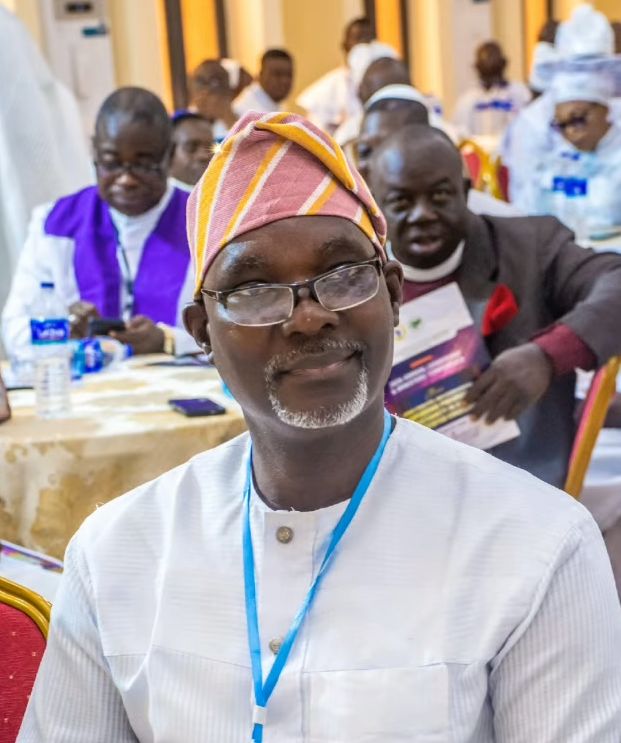
Quoting Scriptures to support his address, Prof. Okoregbe acknowledged the monumental works of notable authors, including Baba Aladura, Prof. Israel Akinadewo, FCA, regarding ethics, integrity, and accountability in church leadership. He posited that in African Initiated Churches (AICs), ministers are taught to view leadership as a Spirit-governed vocation rather than merely an administrative function, informing their moral compass, guiding their honest decisions, and fostering transparency and responsibility before God and the Christian community.
He underscored key aspects of Pneumatic Christianity that influence the moral and spiritual benchmarks of leaders, rendering them accountable not only to God but also to their congregation.
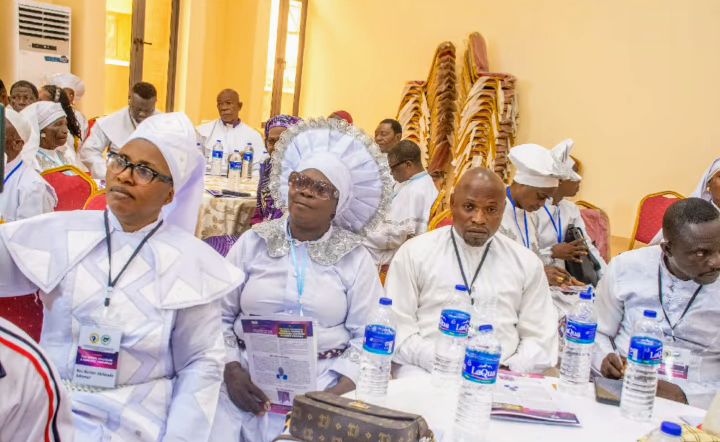
These encompass practices such as prophetic guidance, collective discernment, and confession, which act as safeguards on ministerial conduct and promote comprehensive transformation, yielding leaders who exemplify humility, empathy, and self-discipline. By fostering openness and trust through the distribution of authority for congregational involvement, leadership decisions are subject to communal review.
Ultimately, Pneumatic Christianity empowers AIC ministers with Spirit-driven ethics, integrity through accountability, character development, and transparency.
In concluding his keynote address, Professor Anthony Okeregbe posed critical questions regarding the ethical failures of Spirit-led leaders, given that Pneumatic Christianity is purported to resist corruption and foster character transformation, humility, compassion, and self-control.

He affirmed that as a vibrant, Spirit-led movement that integrates African cultural identity with global Christian currents, Pneumatic Christianity, as exemplified by African Instituted Churches (AICs), embodies a spiritual militancy that offers a valuable message pertinent to today’s global Christian context.
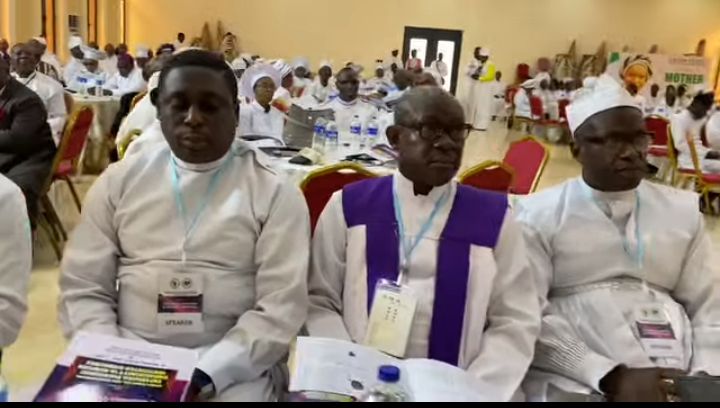
Other guest speakers at the well-attended, one-day conference, which featured two sessions, included Senior Apostle Victor Orie Ononogbu of ESOCS Sanctuary of His Presence, Ikoyi, Lagos, who delivered a presentation on ‘Contemporary Leadership Skills for Ministers in African Instituted Churches: Guarding The Fire, Growing The Future’ – a sacred responsibility in a rapidly changing era. Also, Elder Apostle Adeolu Adesina, M.A. in Theology of Sacred Christian College of Theology and Seminary, Agege, Lagos, presented on ‘Ethics, Integrity, and Accountability in Church Leadership’ – providing biblical principles and practical tools for leading with moral excellence, transparency, and responsibility; and Evangelist Oluwaseunola Duyile, a seasoned church administrator and Registrar of CCC Theological Seminary, presented on ‘Prayer, Prophecy, and Healing in African Instituted Church Tradition.’
Notable Christian leaders at the conference are the Special Adviser to the Lagos State Governor, Mr Babajide Sanwo-Olu, on Christian Religion Affairs, Rt Rev Bukola Adeleke, State Chairman, Christian Council of Nigeria (CCN), Rev Dr Stephen Oyinlola, with others from different denominations in attendance.
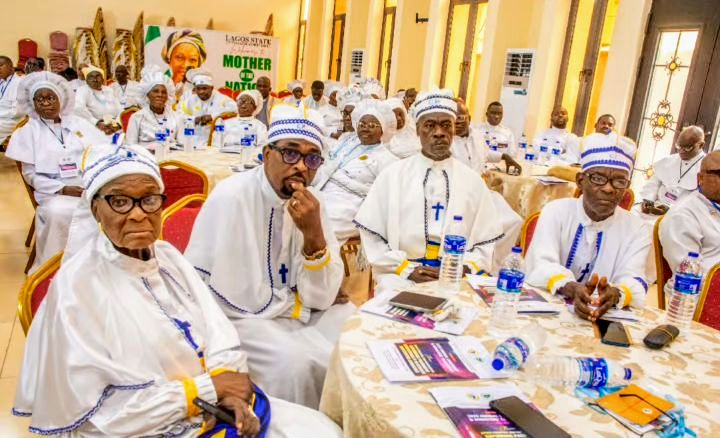
Earlier, in his welcome address, the State Chairman of the Organization of African Instituted Churches (OAIC) Lagos State, His Eminence Apostle General Olugbenga Opasola, challenged the Nigerian Church, particularly OAIC members, to critically assess the relationship between their spiritual identity, practices, and the realities of a globalized world, emphasizing the need for Spirit-led expressions of faith that are biblically sound, disciplined, and relevant.
Apostle Olugbenga Opasola urged participants to approach the conference with willingness, openness, and humility to listen, learn, and grow, recognizing that the responsibility for strengthening AIC churches rests with everyone.
He emphasized that the conference aimed to equip participants with renewed insight, practical knowledge, and a stronger commitment to Spirit-led and biblically grounded leadership.
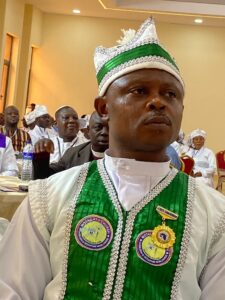
Quoting 2 Corinthians 13:5 (NLT), Opasola reiterated OAIC’s commitment to unity, growth, and development among African Independent Churches, stating, ‘Our heritage is deeply rooted in a Spirit-driven and culturally expressive Christian faith, which must be continually refined in light of Scripture and guided by sound doctrine.’
He lamented the public perception of some AIC churches due to inconsistent practices contrary to biblical teachings and the unguarded blending of traditional practices with Christian doctrine, resulting in imbalanced doctrines and weakened witness.
He advocated for stable and uniform liturgical practices among AIC church members to promote orderliness, identity, and credible reformation.
Reflecting on spiritual inclusiveness and leadership formation challenges, he emphasized the need for prioritized and quality theological education, priesthood training, spiritual discipline, and leadership development to ensure continuity, doctrinal soundness, and effective ministry.
Apostle Olugbenga Opasola acknowledged and commended the government’s ongoing restructuring and reform initiatives to strengthen the nation, encouraging citizens to support these efforts through diligence, integrity, and active contribution in their various pursuits.
He stated, ‘As a body, OAIC Lagos State affirms its commitment to national development, recognizing the Church’s vital role in spiritual matters, social transformation, and responsible civic engagement.’
He further emphasized the need for responsible participation in governance, advocacy for justice, and constructive involvement in societal development, guided by righteousness, wisdom, and the fear of God.
The conference underscored the importance of continuous engagement and training to enhance the credibility and impact of OAIC churches, with a commitment to ongoing leadership development and spiritual renewal.