


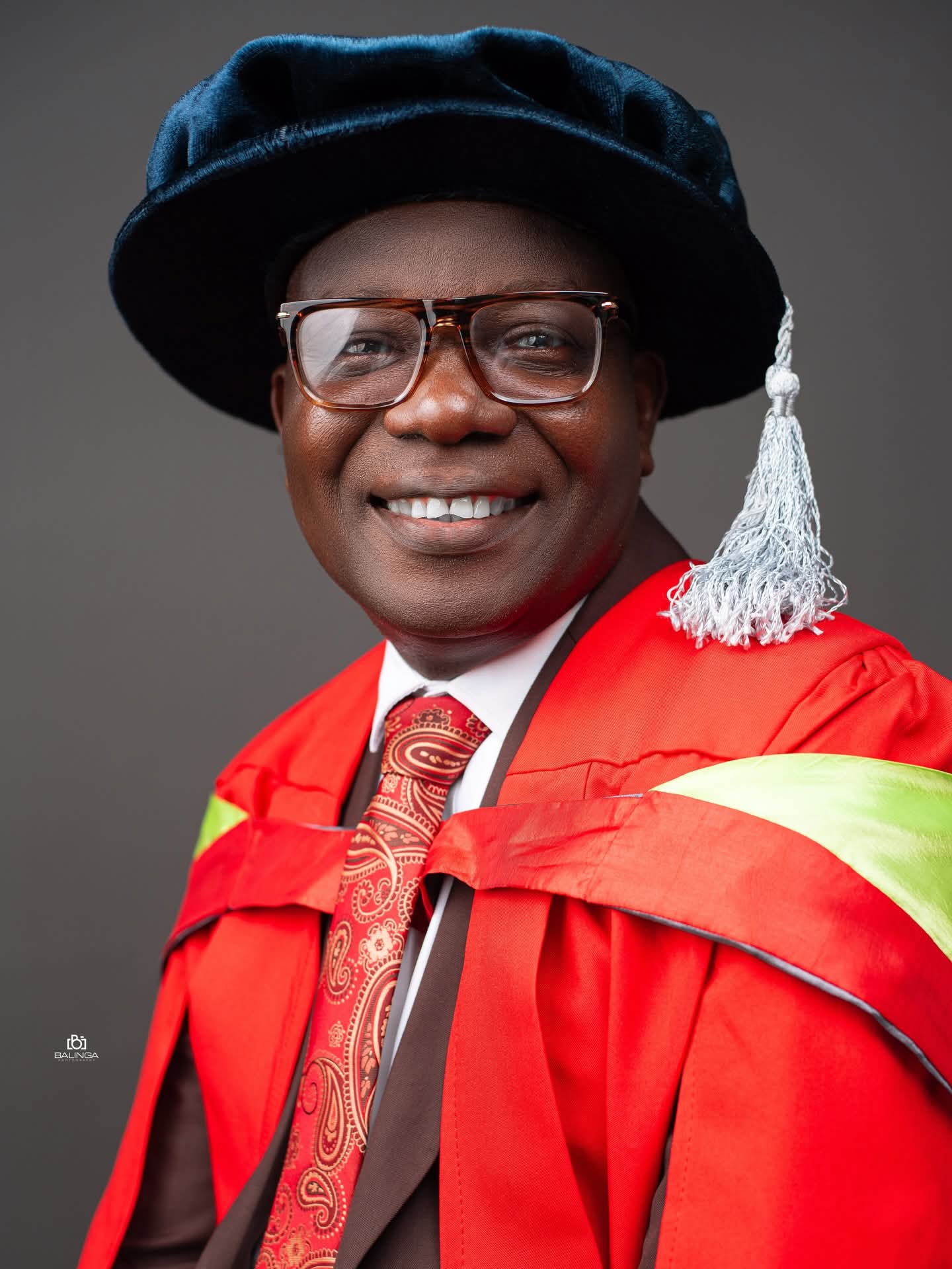
Harnessing Power for Educational Advancement: An Exploration of Nigeria’s Educational Landscape By Prof. Adebayo Oladipo at the 457th Inaugural Lecture of the University of Lagos, titled: “Politics to Policy: Navigating the Power Dynamics in Educational Administration”
In a comprehensive examination of Nigeria’s educational framework, Professor Simeon Adebayo Oladipo of the Department of Educational Management, and current Dean of the Faculty of Education, University of Lagos, presented the 457th Inaugural Lecture and 11th in the 2025/2026 Academic Session of the University of Lagos (UNILAG) on Wednesday, April 15, 2026, at the J.F. Ade Ajayi (Main) Auditorium, UNILAG.
Drawing on over 40 years of expertise in teaching, training, and institutional development, the Professor of Educational Administration and Leadership scrutinized the intricate and frequently tense relationship between education and politics in Nigeria.
The central theme of his lecture revolved around a pivotal question: How can power be harnessed to benefit education?

Professor of Educational Administration & the Dean, Faculty of the Faculty of Education, University of Lagos (Unilag), Nigeria.
Professor Oladipo centered his discussion on the dynamics between Politics, Policy, and Power (PPP), positing that although policy ought to be logical and informed by evidence, it is often influenced and occasionally distorted by political pragmatism.
“Education policy in Nigeria has never been impartial; it has consistently been shaped by the ideological orientations of those in authority,” he emphasized.
The astute scholar cautioned that the persistent subjugation of policy to political considerations has entrenched mediocrity by prioritizing allegiance over capability.
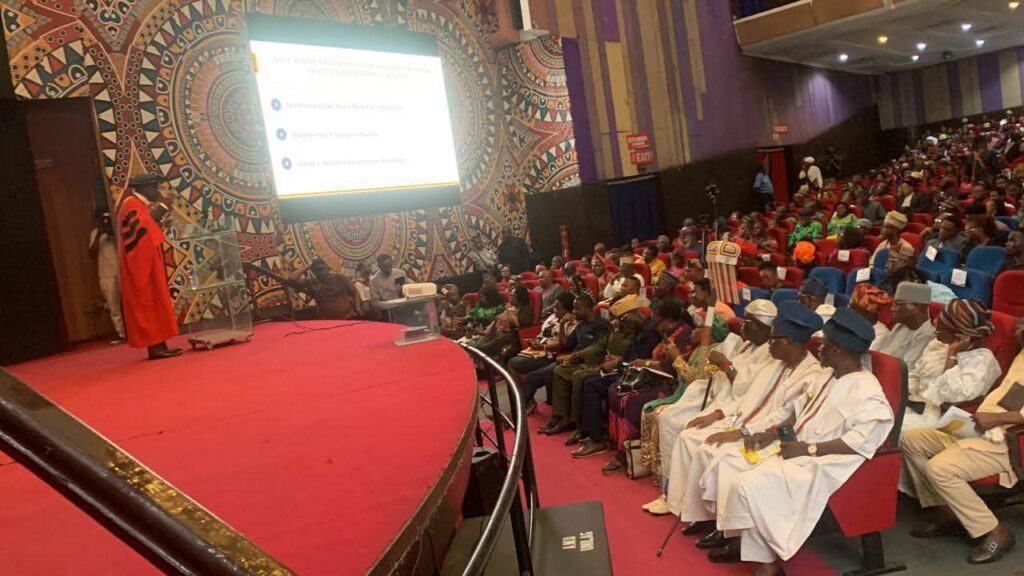
“We cannot transform Nigeria’s educational system without reconfiguring the political framework that governs it. When merit is marginalized, mediocrity becomes institutionalized,” he stated.
Characterizing education as a “political pawn” and a “negotiating tool” for influence, Oladipo insisted that no nation can establish a sustainable education system based solely on the caprices of political actors.
Highlighting critical infrastructure and administrative challenges in Nigeria’s education sector. Based on empirical evidence, the inaugural lecturer pinpointed pivotal structural weaknesses in Nigeria’s educational administration, notably the pronounced disparity between urban and rural areas.
He underscored that a considerable proportion of children not attending school are predominantly found in rural settings, where educational facilities often suffer from acute neglect and dilapidation in stark contrast to their urban counterparts.
Beyond Diagnosis to reform initiatives, Professor Oladipo proposed a series of reforms to enhance educational governance and outcomes, moving past critique.
He highlighted his innovative use of private-sector Management Control Systems in public universities to protect academic autonomy from excessive state interference.
Additionally, he championed rural education as a fundamental right, supported by targeted extension education models for underserved populations.
Addressing graduate unemployment, which he attributed to poor curriculum management, Professor Oladipo suggested establishing a National Graduate Employability Index to align educational outcomes with labor market needs.
In conclusion, the Professor of Educational Administration and Leadership advocated for an Education Governance and Autonomy Act to shield educational administration and appointments from political influence.
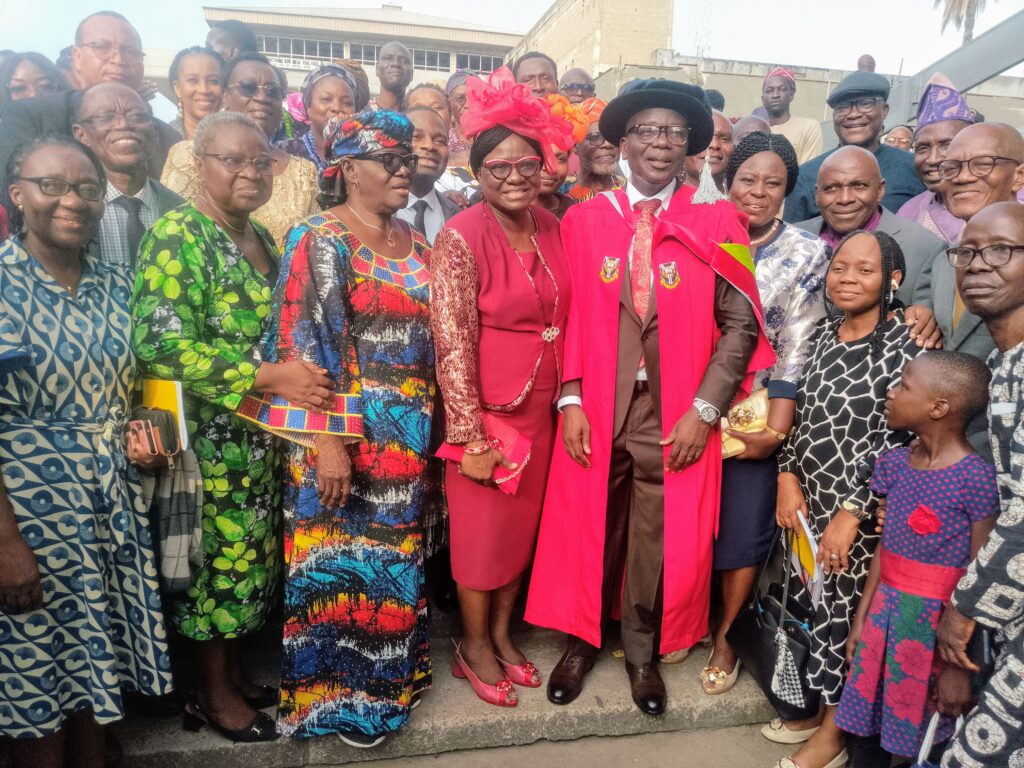
Furthermore, he proposed Education Accountability Assemblies to empower citizens to monitor and evaluate school performance actively. “Education requires not just administration,” he emphasized, “but stewardship that demands competence and courage.”
Professor Oladipo also lamented the diminishing institutional autonomy, pointing out that educational administrators frequently face constraints due to political interference in staffing, budgeting, and disciplinary decisions.
Referencing research findings, he disclosed that a substantial number of recruitment processes and funding allocations in certain regions are subject to political influence, which he noted was harmful to human capital development and national advancement.
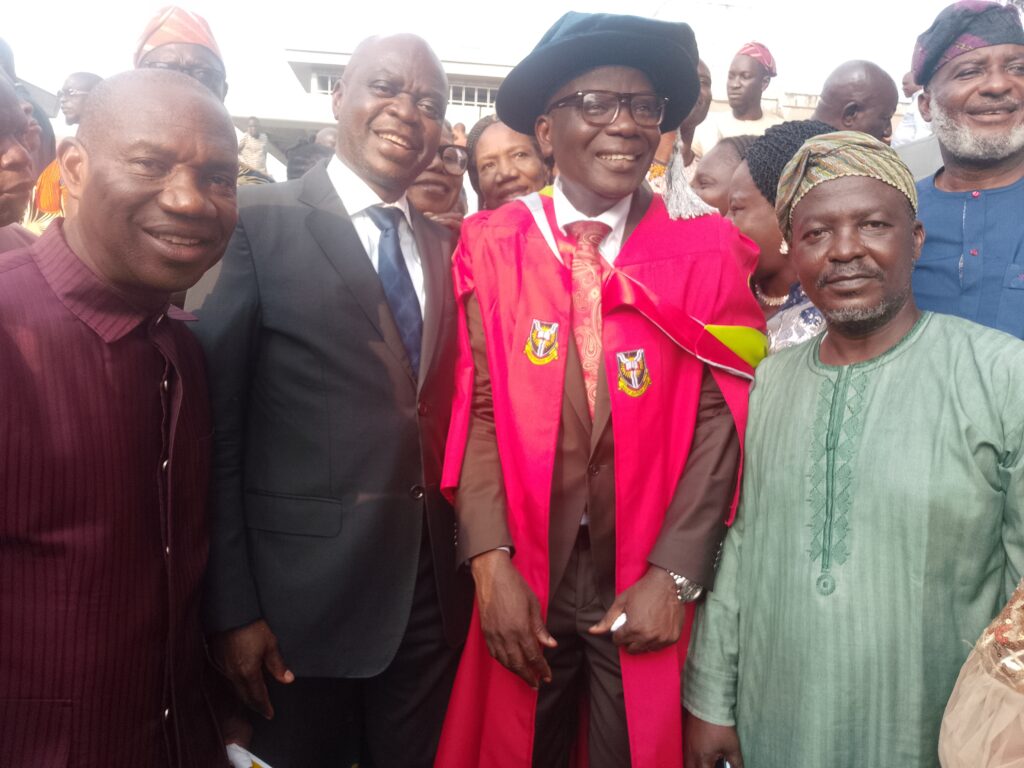
In addition, Professor Oladipo highlighted infrastructural shortcomings, including erratic power supply and restricted internet access in disadvantaged communities, as significant impediments to achieving educational equity and quality.
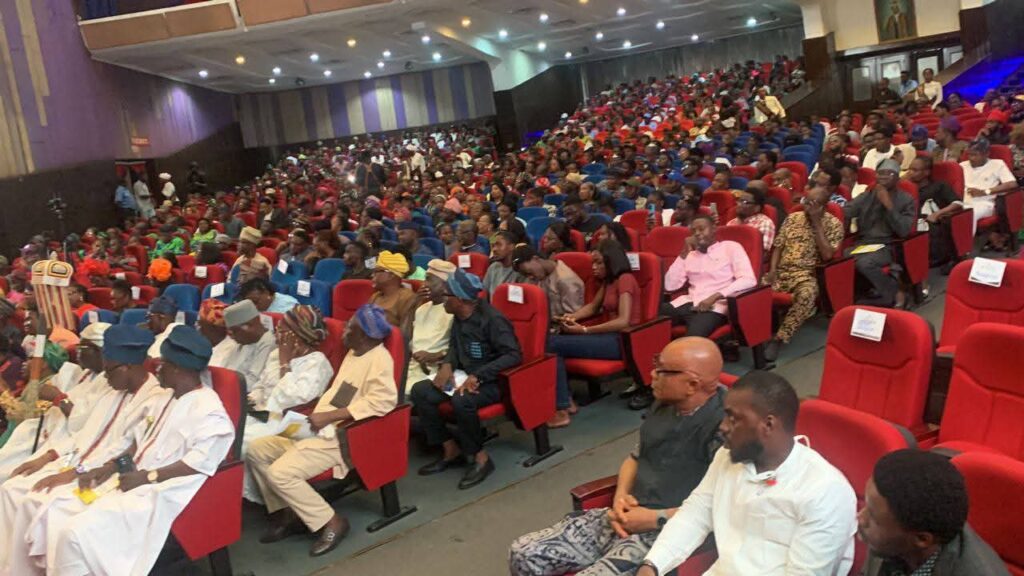
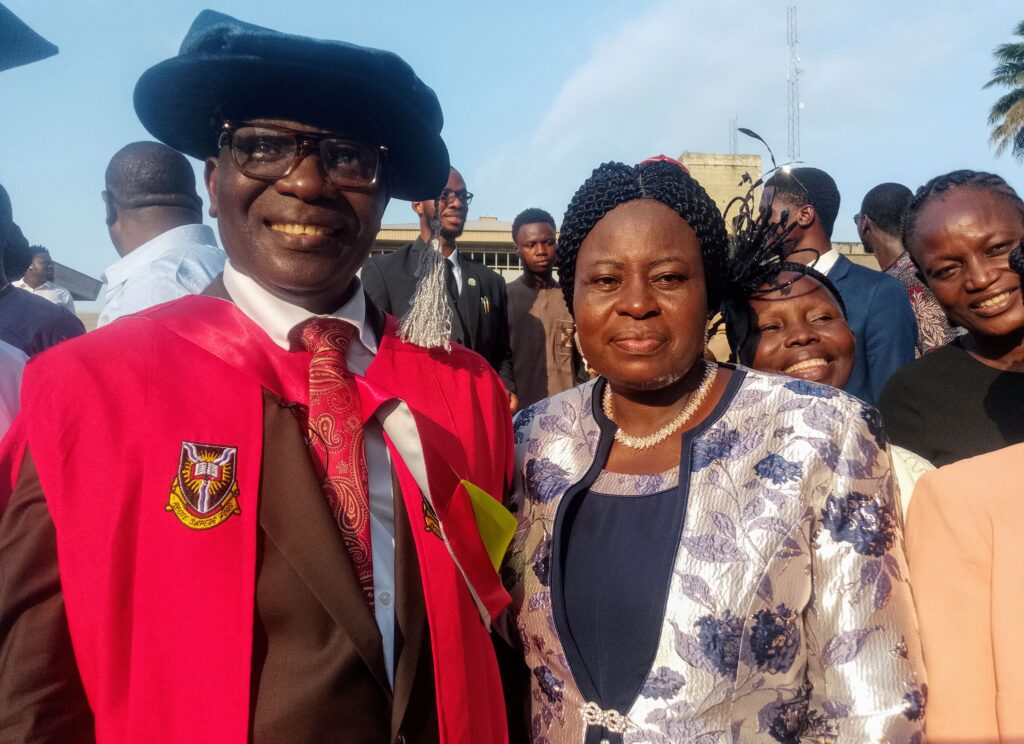
In a significant milestone and a call to action, by the Vice-Chancellor of the Nigeria’s distinguished higher institution of learning, Professor Folasade Ogunsola, OON, FAS, who chaired the lecture that attracted members of the university community, also drew family and friends who gathered to honour the esteemed scholar.
She said, the 11th inaugural lecture of the 2025/2026 academic session, Professor Oladipo’s presentation reaffirmed UNILAG’s position as a center for critical thought and national reflection, contributing meaningfully to its lasting intellectual heritage.

About Professor Simeon Adebayo Oladipo:
Professor Simeon Adebayo Oladipo, a distinguished academic, was born on Thursday, June 5, 1958, in the Irepodun Local Government Area of Kwara State. His impressive portfolio of academic and professional qualifications includes a Teachers’ Grade II Certificate from Teachers’ College, Offa, Kwara State (1979); Nigeria Certificate in Education from Lagos State College of Education, Ijanikin, Lagos (1986); B.Ed. in Elementary Education from the University of Calabar (1988); M.Ed. in Educational Administration and Planning from the University of Lagos (1990); Ph.D. in Educational Management from the University of Ibadan (2000); and Teachers Registration Council of Nigeria Certificate (TRCN Certificate, 2010).
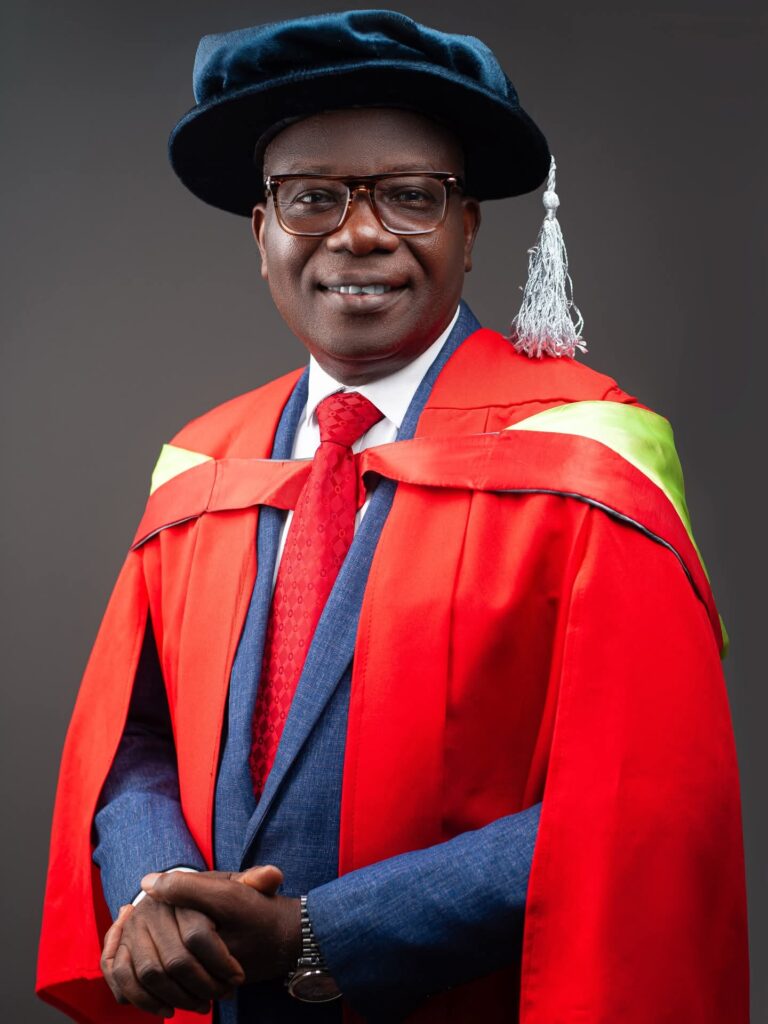
He joined the University of Lagos in 2004 as an Assistant Lecturer and was appointed Professor of Educational Administration and Leadership in 2020. With research interests in Institutional Administration, Human Behaviour in the Workplace, and School Quality Improvement.
Professor Oladipo has taught and impacted hundreds of undergraduate and master’s students and mentored ten PhD candidates to become the next generation leaders.
Throughout his forty-year teaching career, he has served in various roles, including Chairman of UNILAG Staff School Board of Governors. As Acting Principal of the International School, UNILAG (2008-2011), he successfully managed over 2,700 students and staff, achieving improved infrastructure, academic performance, and organisational stability.

Professor Oladipo’s influence extends beyond UNILAG, serving as a Resource Person for the National Universities Commission (2022 to date) and Supervisor for the Joint Universities Preliminary Examination Board (2016 to date). He is also an External Examiner and professorial assessor for universities in Nigeria and around the world, he serves as the Principal Consultant at Teaching Trade Ltd., and has contributed to national education development projects with the World Bank.
He has also provided expert services to the Lagos State Ministry of Education and Lagos State Universal Basic Education Board, where he anchored the recruitment of over 1,000 teachers for the state’s basic education classes.
Professor Oladipo has played pivotal roles in global education diplomacy, including Co-Host for the Fulbright-Hays African Studies project. He pioneered the introduction and teaching of the Chinese language in selected Nigerian schools.
With over eighty publications in reputable journals, he has received numerous awards for his leadership and professional excellence.

Professor Simeon Adebayo Oladipo is an active member of several professional associations and a Fellow of prominent institutions.
He is happily married with children.
