



On the Question of Agnosticism By Babatunde Olugboji
Have you ever been asked about agnosticism? Here’s a clear way to understand, and respond to, this important topic.
Agnosticism is the view that the existence of God (or anything divine or supernatural) is unknown or perhaps unknowable. The term comes from Greek roots meaning “without knowledge.” In practice, agnosticism positions itself between theism and atheism, arguing that we lack conclusive proof about God’s existence.
Many people consider agnosticism more intellectually cautious than atheism. Atheism asserts that God does not exist, a claim that cannot be decisively proven in an empirical sense. Agnosticism, by contrast, maintains that God’s existence cannot be definitively proven or disproven, and that human beings may not have the capacity to know for sure. In that sense, agnosticism claims a “neutral” position: the evidence is not decisive.
From a biblical perspective, however, God calls people not merely to neutrality but to faith. Scripture teaches that approaching God requires belief: “And without faith it is impossible to please God, because anyone who comes to him must believe that he exists and that he rewards those who earnestly seek him.” (Hebrew 11:6)
The Bible explains that God is spirit (John 4:24), meaning He is not known primarily through physical senses. Yet Scripture also teaches that God has not left Himself without witness. His reality is displayed in creation and perceived through conscience and the human heart. The heavens declare His glory (Psalm 19:1-4), creation points to His power and divine nature (Romans 1:18–22), and eternity is “set” in the human heart (Ecclesiastical 3:11). In other words, the Bible presents belief in God not as blind guesswork, but as a response to God’s self-disclosure.
Agnostics often hesitate to commit to either belief or disbelief. Theists affirm that God exists; atheists deny it; agnostics conclude that certainty is impossible and therefore suspend judgment. Yet Scripture presents indecision about God as spiritually significant, because neutrality still shapes how one lives, chooses, and prepares for eternity.
Consider this: if we treat theism and agnosticism as equally uncertain, which is the more reasonable posture regarding what lies beyond death? If there is no God, then both the theist and the agnostic ultimately end in the same place, death is the end. But if God does exist, then both must answer to Him, and the implications are eternal. From that angle, it is wise to seriously investigate the claim that carries eternal weight rather than remain indefinitely undecided.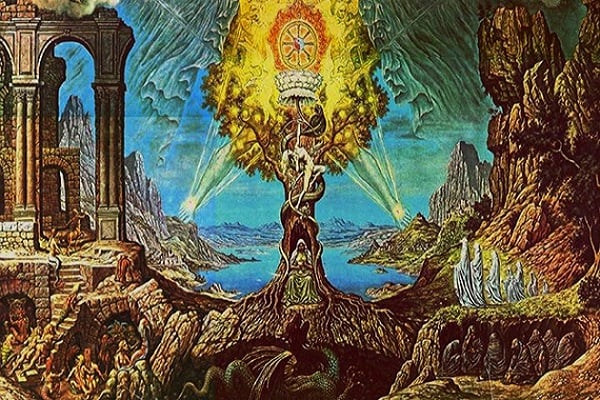
It’s also important to acknowledge that doubt is a common human experience. Many people struggle with belief because they cannot reconcile God’s existence with suffering, injustice, or the mysteries of life. Yet the Bible reminds us that finite humans should not expect to fully comprehend an infinite God. As Paul says: “Oh, the depth of the riches of the wisdom and knowledge of God! How unsearchable his judgments, and his paths beyond tracing out!” (Romans 11:33–34)
In the end, Scripture calls us to trust God even when we do not understand everything. God is not distant from honest seekers; He invites them to pursue Him with sincerity. “But if from there you seek the Lord your God, you will find him if you seek him with all your heart and with all your soul.” (Deuteronomy 4:29)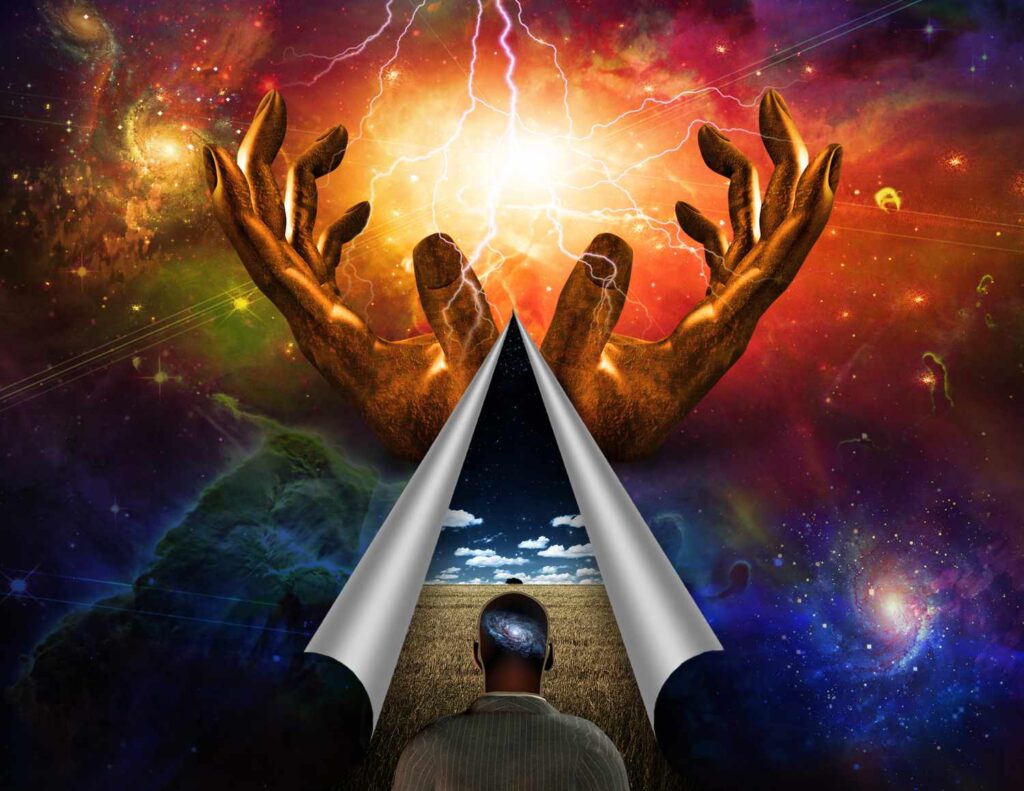
Agnosticism may sound cautious, but the Bible’s invitation is crystal clear: seek God earnestly, and He will make Himself known.
Have a great week.
Questions or comments?
+1-609-887-6610 (WhatsApp)
