



HOW MODERN JEZEBELS AND DELILAHS HIDES AND OPERATES IN TODAY’S CHURCH: Friendly Faces, Perfumed Poison and Dangerous Heart By Gracious Akintayo
Every church has them. They are present in every service, active in every department, and known by almost everyone. They look like the most committed believers – prayerful, generous, and always friendly. But behind the religious camouflage lies a troubling lack of character.
They dressed and always looked good, but mischievous, malicious, manipulative, treacherous, and venomous with sharp tongues.
Scripture gave us two timeless archetypes for this danger: Jezebel and Delilah. They were not openly hostile to faith; they operated from within. They used proximity, beauty, and influence as weapons. Today, their spirit did not disappear. She simply changed clothes and joined the choir.
They are not defined by gender. Jezebel and Delilah is a character pattern that can be found in men and women alike. Here are five unmistakable marks:

Jezebel and Delilah
1. They Always Look Friendly and Innocent
This is their first layer of camouflage. They have mastered the art of appearance. They smile the widest, greet the loudest, and volunteer the fastest. They appear harmless, humble, and helpful – the perfect church member.
Like Jezebel who adorned herself to appear regal before Jehu (2 Kings 9:30), and Delilah who pretended to love Samson while plotting his downfall (Judges 16:15), their innocence is a costume. Their friendliness is not fellowship; it is a strategy for access and acceptance. Because they look innocent, no one suspects them until damage is done.
2. They Constantly Seek Self-Pity and Sympathy
They are perpetual victims. Every story they tell is designed to make you pity them and question someone else. They have been betrayed by every pastor, misunderstood by every leader, and hurt by every department.

This sympathy-seeking is manipulative. By positioning themselves as the wounded one, they disarm discernment. People rush to defend them, comfort them, and give them influence – never realizing that their narrative of self-pity is how they recruit loyalists and create division. They do not want healing; they want an audience.
3. They Are Mischievous and Deceitful
Behind closed doors, they are architects of confusion. They whisper in one ear and contradict in another. They carry tales, twist conversations, and sow seeds of discord between friends, couples, and leaders.

Like their biblical counterparts, their power lies in secrecy and seduction. Delilah did not attack Samson with a sword; she nagged, prodded, and deceived him until he revealed his strength. The modern Delilah does the same – extracting confidential information, breaking trust, and selling secrets for personal advantage. Their mischief is quiet but corrosive, and it always leaves relationships weaker than they met them.
4. They Are Egoistic and Pretentious
They crave the spotlight and cannot serve without recognition. They are deeply egoistic – everything must revolve around them, their title, their gift, their anointing. They are offended when not noticed and bitter when corrected.
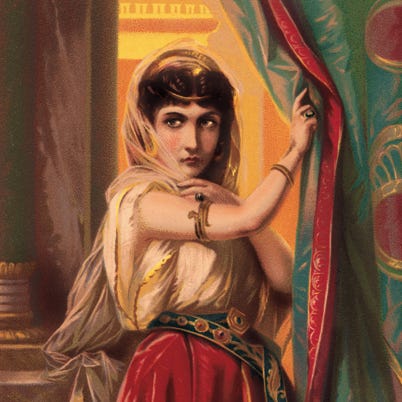
Their pretension shows in their spirituality. They speak in super-spiritual language, claim superior revelations, and present themselves as more anointed than the leadership. Like Jezebel who usurped prophetic authority in Thyatira (Revelation 2:20), they want influence without accountability. They love platforms, not altars.
5. They Give Generously to Buy Influence
This is their final and most effective cover. They are often the biggest financial contributors in the church.
They pay tithes loudly, give offerings extravagantly, sponsor programmes, and donate to pastors personally. But their giving is not worship; it is investment. Money becomes their immunity. Because they give, they feel entitled to dictate, to bypass the process, and to be above correction. Leaders, afraid of losing a major financier, often look away.
They have learned what many have not: in a church that celebrates giving more than character, money can buy silence.

The Call for Discernment
The danger of the Jezebel and Delilah character is not that they are outside the church – it is that they are inside, camouflaged in religion. They have the language of faith but lack its fruit: humility, honesty, loyalty, and integrity.
The early church was warned to look beyond charisma and generosity and to test character. The modern church must do the same. Friendliness is not faithfulness. Tears are not repentance. Generosity is not godliness.
But sometimes we must avoid the person with the principality in them because it’s destructive both to them as well as others.

Until the Church learns to value character above charm and contribution, these friendly, innocent-looking figures will continue to seduce, divide, and destroy from within.
