The Heart of Christianity Revolves Around Service, a Lifestyle Jesus Christ Exemplifies – Rev Oluremi Hunsu
Rev Dr Hunsu Oluremi Sena is a serving senior public servant with the Lagos State Government. He was re-elected for a second term as President of the Lagos State Public Service Christian Fellowship (LSPSCF), Alausa, Lagos State.
In this interview with our Editor, Gracious Akintayo, he speaks glowingly about the fellowship activities and how it has impacted lives of people within and outside the civil service. Excerpt:
As a re-elected president of the Lagos State Civil Service Christian Fellowship, describe your first tenure and what are the expectations in the second term?
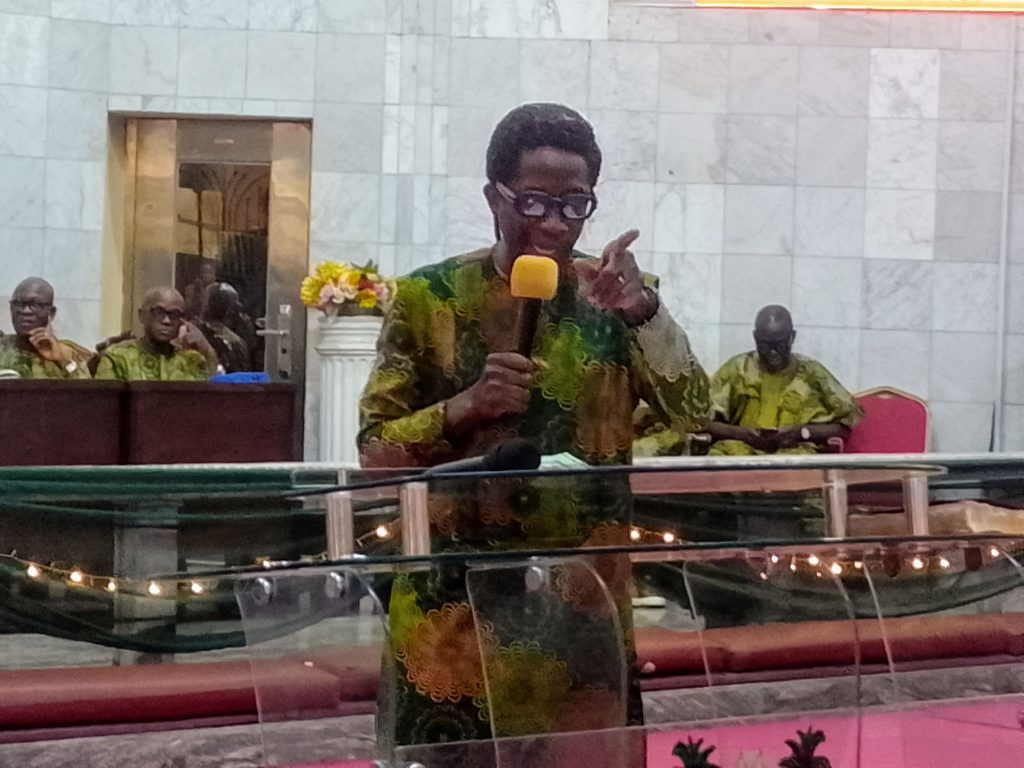
Whatever one is doing in the vineyard of God and for God, we have to do it to God, and in God’s way. Whatever activities we undertake in the Lagos State Public Service Christian Fellowship during my first tenure are all to the glory of God, made possible by God’s mercy and grace. God is going to lead, guide, and direct the second term. It’s a service to Him, and He must be allowed to direct the affairs.
Briefly share the 40-year-old fellowship background:

Going by history, especially when you have a succession plan. In 1985, this fellowship began with very few members of the Lagos State public service at that time; they had no particular venue, they looked for any convenient place to gather, worship, and hear the word of God, which says, we should not forsake the assembly of the brethren. There are times they gather under the tree to pray, worship, and disperse. They were doing that for 15 years, and in 2000, during one of their fellowship they decided and agreed to have a permanent structure as a place of fellowship, and that gave birth to the State government approval to their proposal for the need of a small church that would be for the public servants, civil servants, and the government for the construction of Chapel of Christ the Light (Interdenominational) with the State government approval to their proposal, they approached an architect to design the structure. They commenced the building in 2000, and completed it; last year (2025), Chapel of Christ the Light clocked 25 years.
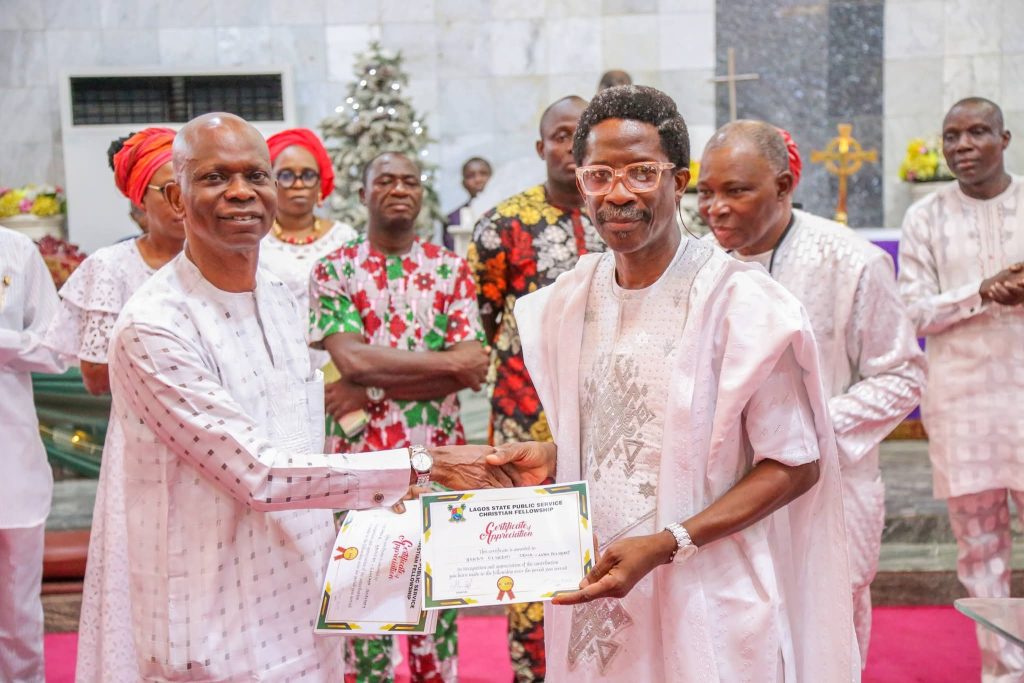
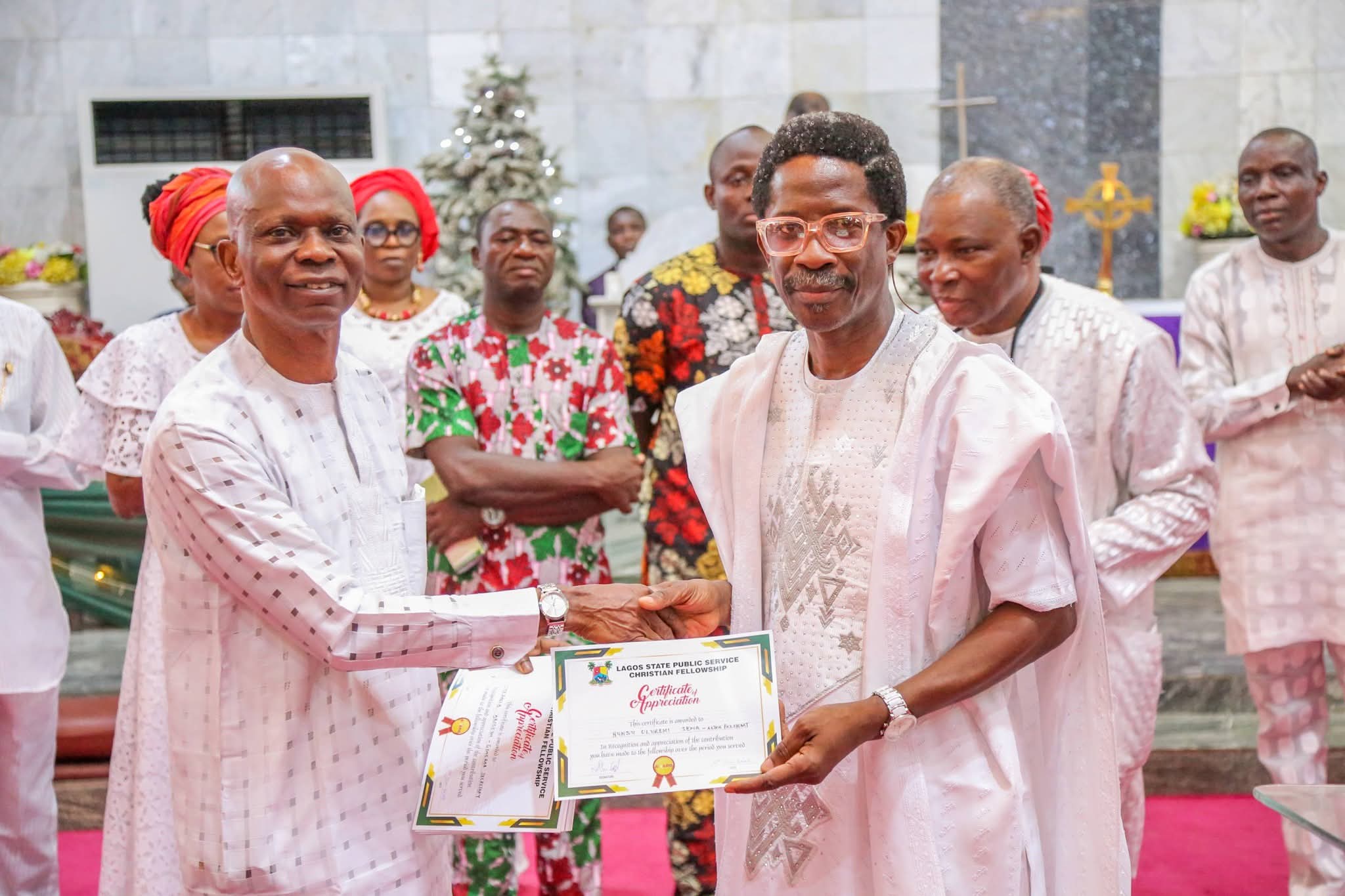
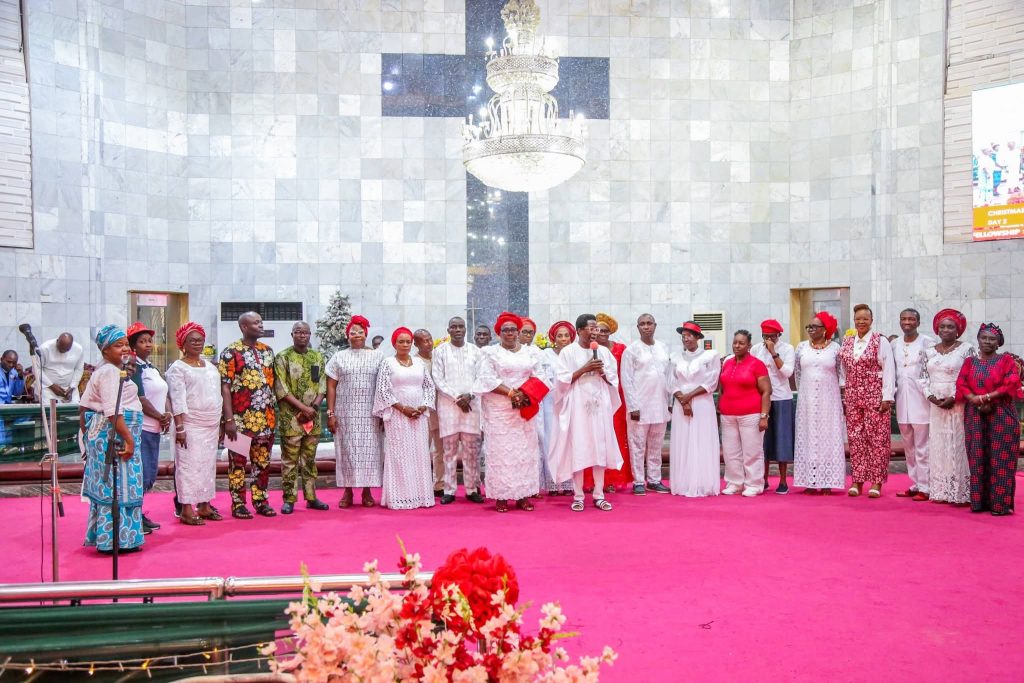
People who started the fellowship 40 years ago have retired, some have passed on, and some are still alive. During the mid-year outreach, when we commemorated the 40th anniversary celebration, we honoured some of them with awards of appreciation and commitment for their contributions in the house of God. Also, people who were part of the community that started the fellowship received awards.
How did the fellowship activities impact righteousness in the Lagos civil service?
Considering what Christianity is all about, as a lifestyle of Jesus Christ, our perfect example, and holding on to what the Bible says in Proverbs 14:35, that righteousness exalts a nation, and sin is an approach to anyone. As public servants, we hold on to that righteousness and say that there must be a difference in the life that we live and the service we rendered. We must be like lilies in the valley, that we must stand as an example and hope to others. If others are doing what is not right, we should be able to stand and say, this is what God’s word says, and serve as an example to others around us.
Considering the practical example of what happened in Acts 11:6, when the people saw the disciples in Antioch, where they had stayed for about a year. People observed their lifestyle, and said, these are Christians. Because they lived the lifestyle of Jesus Christ, they were first called Christians in Antioch. The same is our message to people, and Christians that come to fellowship with us, we must live by good example, and spread the righteousness of God in various places we find ourselves and bring honour to Jesus Christ.
What has been the transitional plan for the fellowship members after retirement?
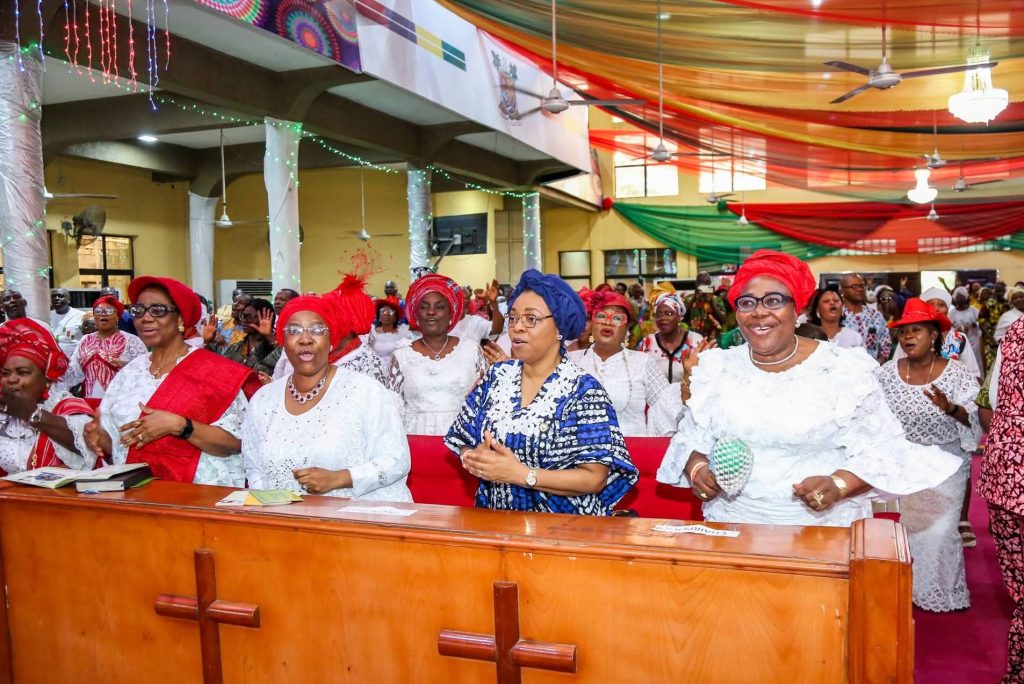
We have structures, and one of the important structures we put in place is the Elders Council.
These elders are retired permanent secretaries and directors who have been part of the fellowship. Though they are retired, they are not disengaged from the fellowship activities; they remain part of the fellowship. Most of them were vice presidents or dedicated and committed members when they were in the service. They still show interest in the fellowship, and oversee what we’re doing.
The fellowship continues after retirement from the service; the relationship and continuity are always there. Also, there are women as elders; they play advisory roles, and during our programmes, we respectfully invite them, and acknowledge their presence.

Apart from these elders, we have some people who are retired but remain part of it. We have widows among our women, and we still meet some of their needs. As a result, we created a widows’ forum to care for them. Most of the retirees are ministers in their various ministries. We occasionally invite them to come and minister to us, and we also exchange visits with them. As long as they are still alive and freely fellowship with us, we equally visit them; there’s a relationship, fellowship, and continuity that they are still part of us.
What has been the relationship between the fellowship, other churches, and the society?
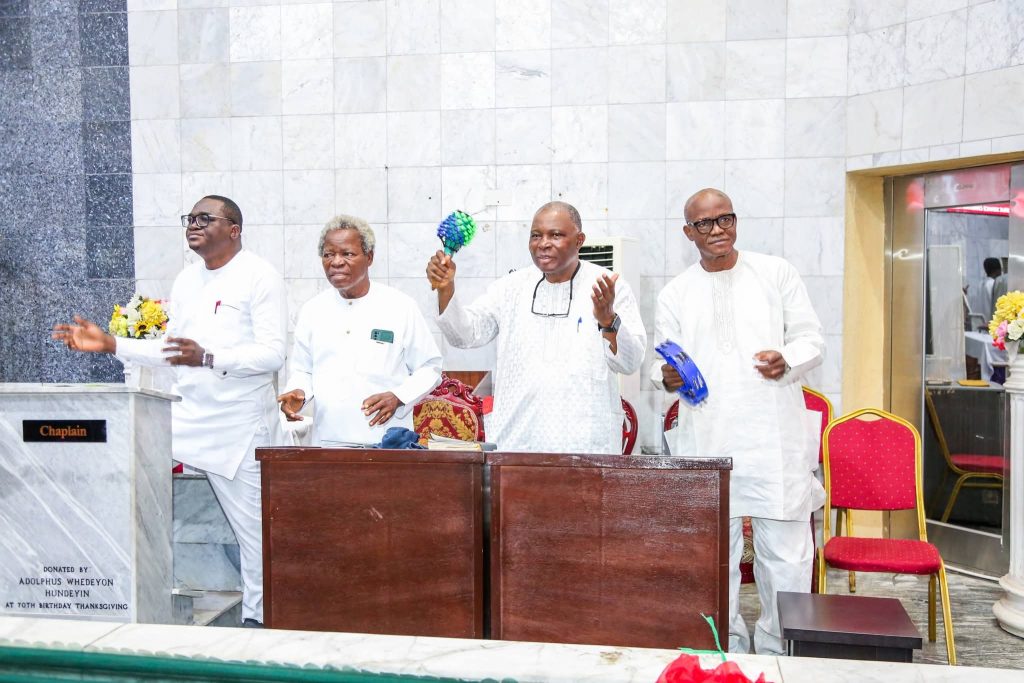
The foundation of the fellowship is interdenominational. It is not a church established with a particular name or denomination. It is for public servants who are members of different denominations and churches. We come together in one spirit and the unity of fellowship. As a result, our programmes reflect unity, and we invite ministers who are not public servants from different denominations and churches to come and minister at our programmes. We have moved from denominationalism into a united relationship. During the last Christmas two-day Outreach programme, the first guest minister was from the Christ Apostolic Church (CAC), and the second minister was from the Mercy Mandate Ministry. They are some from the Redeemed, Mountain of Fire, C&S, Methodist, Anglican, and other churches. That proved that we are alive with all denominations and invite them from time to time, to hear the word of God through them and pray together, because part of our vision is to pray for our land and our nation, that we may live in peace. Aside from the churches, whenever we have a programme, the door is always open for the general public, irrespective of their denomination, to worship, and fellowship with us.
How do we entrench the spirit of nondenominationalism into Christian’s lifestyle?
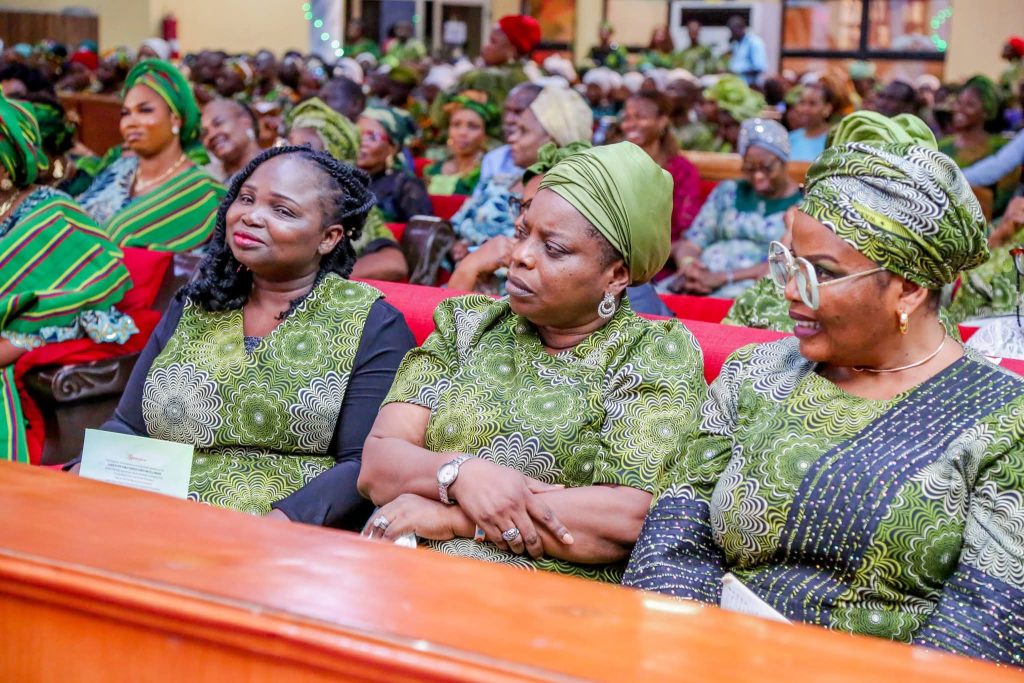
Leading by example is crucial in everything we are doing. It goes beyond what we teach or say. It is more of what we do and practice. If we have been doing that as a government church, and we are not concerned or biased about denomination, other churches and denominations should also learn from that.
It goes beyond preaching that I’m of Paul and I’m of Apollo. There is no denomination in the Bible; what we have is the church without blemish or wrinkle. Our activities here have nothing to do with the church we belong to; it’s about the word of God, the righteousness of God, and obedience to God’s commandment. We are a government church, we relate with others, and embrace anyone that comes, irrespective of their denomination. It is not about your church, my church, or our church, but the word of God and God’s commandment.
Does the state fellowship have any relationship with the local government fellowships?
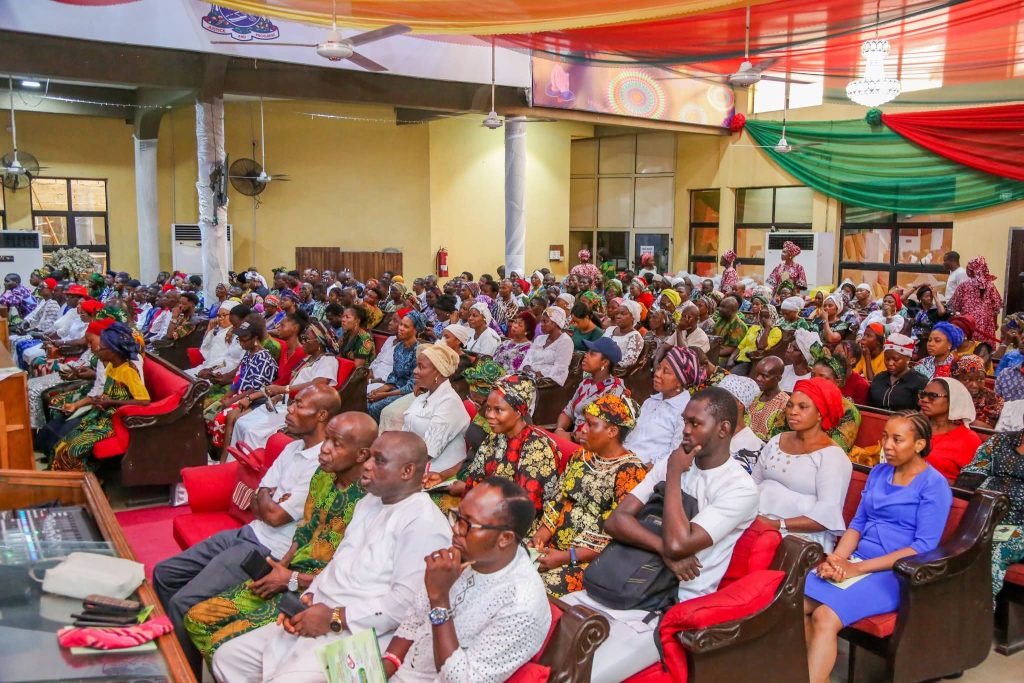
Yes, the fellowship here in Alausa, at the Chapel of Christ the Light, is like the headquarters for all MDs. We have our chapters here in all the MDs and in all the local governments. There are unified local government fellowships in various local governments and local council development areas; they have their unified choir, and we have always allowed them to minister during the annual outreaches.
We have a relationship with all the MDs and local governments that have fellowships. We meet with them when the occasion arises, they come to us, we visit them, and relate together.
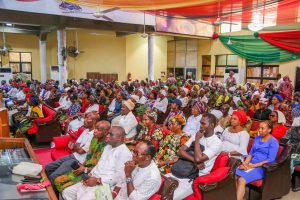
We have two people split from here, the central fellowship, to visit and monitor the activities of the local government fellowship.
How does the fellowship intend to make itself more visible to the general public?
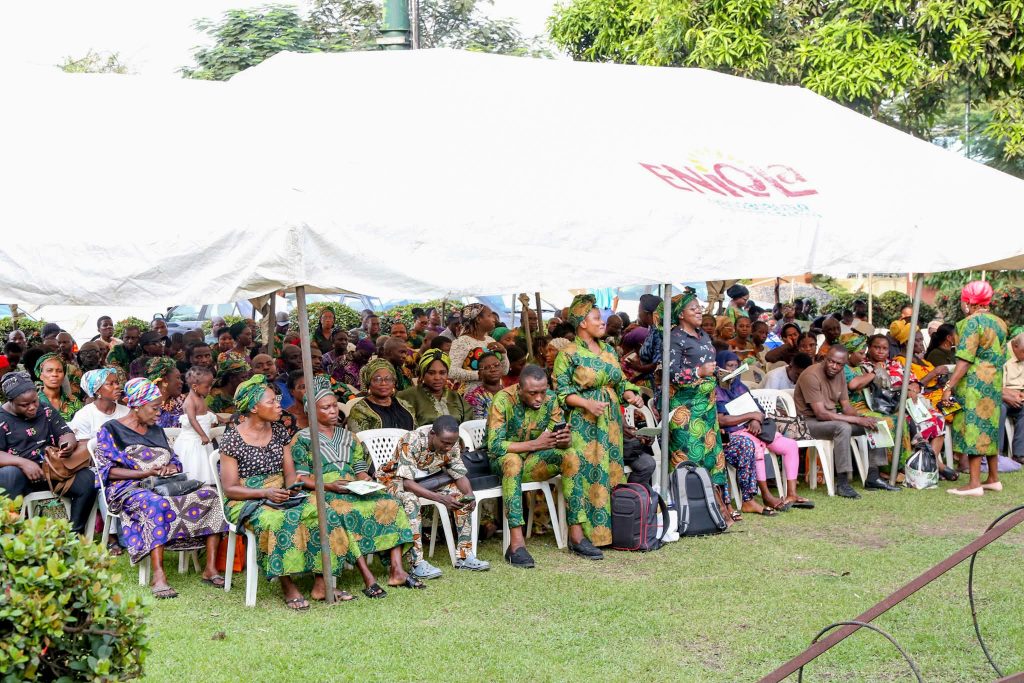
Initially, when the fellowship started, it was not meant to involve the public. It was planned to be a time for us to come together and fellowship in the office, to praise God, pray for our leaders, and pray for our land. As time went on, the fellowship started growing, attracting people, and they were not restricted from attending the fellowship. Later, we started publicising our programmes and activities on Television, radio, social media, and newspapers.
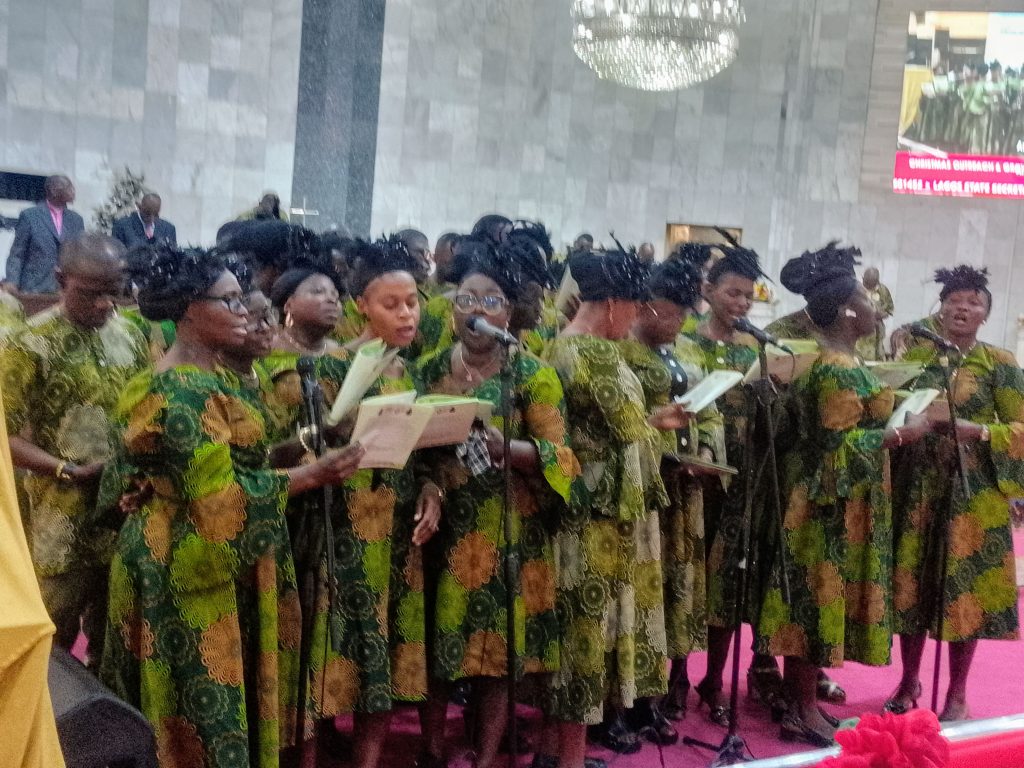
Amazingly, in our welfare department, most of the people who write to make requests, or need support are not public servants; they are outsiders. We also go out for evangelism around Alausa, sharing tracts, preaching the gospel, and invite people to come. By God’s grace, we’ve been doing that to ensure our existence and for people to attend our programmes. The fact that it’s a civil service establishment, it is not restricted to the public.
Apart from spiritual gathering, does the fellowship render any other services or activities?
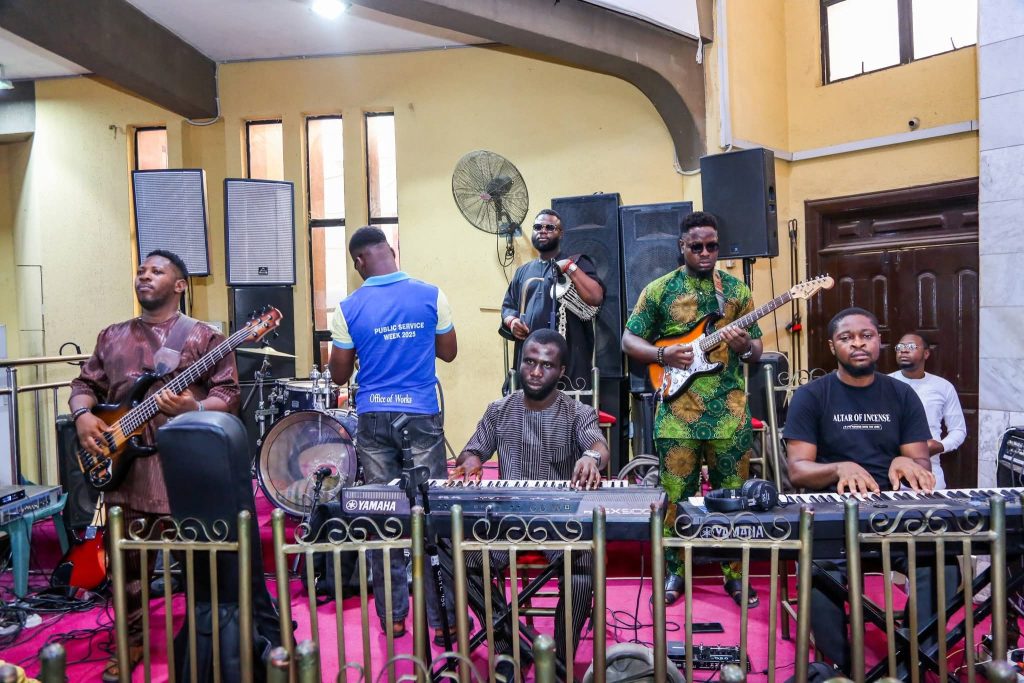
Aside from the spiritual, part of what we do is a welfare package. Many people have various needs, such as children’s school fees, house rent, health issue payments, and other matters. This was part of what we did during the end-of-the-year outreach. A woman wrote that she’s a widow and went through the widow’s ministry. The matter was handled, and we discovered she had a set of twins; both of them gained admission, and required funds for school fees and other things. We assisted her with close to half a million. We supported her to cushion the threat of school admission and the school fees of the children. We did that, and some other ones as God enables us. Part of what we do is visiting the motherless homes, old people’s homes, and juvenile centres to support them.

In 2025, we visited the old people’s homes in Isolo. We agreed with them and sent money to their caterer to cater for them, and we were there to celebrate with them, pray with them, and preach to them. They were happy and later sent an appreciation letter to us. That’s part of what we do, not only to go there and preach the gospel, but to reach out to people, meet their needs and encourage them.
What other advantages and opportunities do you have for the fellowship members?
We rise to the needs of our people in civil service. Some people who attended the fellowship may have come for their IT or to serve as youth NYSC members, and wanted employment in the civil service or required assistance in other areas. By God’s grace, we assist them and ensure we solve their issues. Through the fellowship, we have encouraged many to gain employment in the civil service.

What words of encouragement do you have for Nigerian society and the public servants?
Generally, whether in the public service or outside, we must understand the purpose of our existence beyond acquisition of material and mundane things of this world. Our purpose of existence is to do according to the word of God, following the precepts of God’s word, and plan to go back to our Creator. God created us to be on this earth for a purpose, and we are going back to Him with our report.
We should live a righteous life that is pleasing unto God all the time before we go back to our Creator and Maker. Also, once you have given your life to Jesus Christ, you also spread the gospel, which is our great commission.