



Why Do We Celebrate Christmas? By Babatunde Olugboji
Christmas 2025 is around the corner! Why do we celebrate Christmas? The common thread is the historical event of Jesus’ birth, approximately in 5 BC.
The angel who visited the shepherds on the night of Jesus’ birth proclaimed, “I bring you good news that will cause great joy for all the people. Today in the town of David a Saviour has been born to you; he is the Messiah, the Lord” (Luke 2:10–11).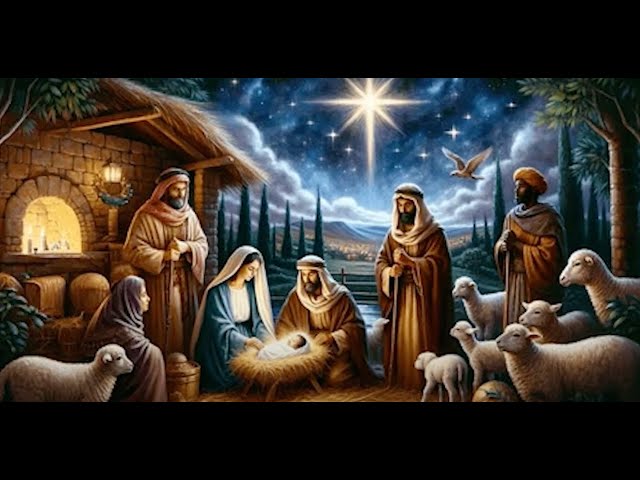
We commemorate Christmas because, as the angel proclaimed, the birth of Jesus Christ is “good news.” Such good news is intended to be celebrated. Indeed, the angel declared that the announcement of Jesus’ birth would bring about “great joy” and would be “for all the people,” indicating that this joyful celebration would be universal. Individuals across the world would rejoice as a result of this momentous event.
We commemorate Christmas because, as the angel stated, “A Saviour has been born to you; he is the Messiah, the Lord.” The three titles attributed to Jesus by the angel hold significant meaning. Jesus is the Savior who rescues us from sin and death (Matthew 1:21). He is the human Messiah who fulfills the Law and the Prophets, demonstrating God’s faithfulness (see Matthew 5:17). Furthermore, He is the divine Lord who has entered our realm: he assumed human form; God and humanity have been united in an inseparable, eternal bond; God is indeed with us (see Matthew 1:23).
In our celebration of Christmas, we honour the Saviour, as we require deliverance. We celebrate Christ in whom all of God’s promises are affirmed with “Yes” and “Amen” (2 Corinthians 1:20). We honour the Lord who, in His humility, embraced “the very nature of a servant” for our benefit (see Philippians 2:6–8).
We celebrate Christmas through the act of gift-giving, inspired by the “indescribable gift” that God has bestowed upon us (2 Corinthians 9:15). We celebrate Christmas by adorning our surroundings with lights, for the Light of the world has arrived (John 1:4; Isaiah 9:2). We celebrate Christmas with carols and choirs, as they express joy and follow the examples set by Mary, Zacharias, Simeon, and the angels, all of whom praised the Lord through poetry (Luke 1–2). 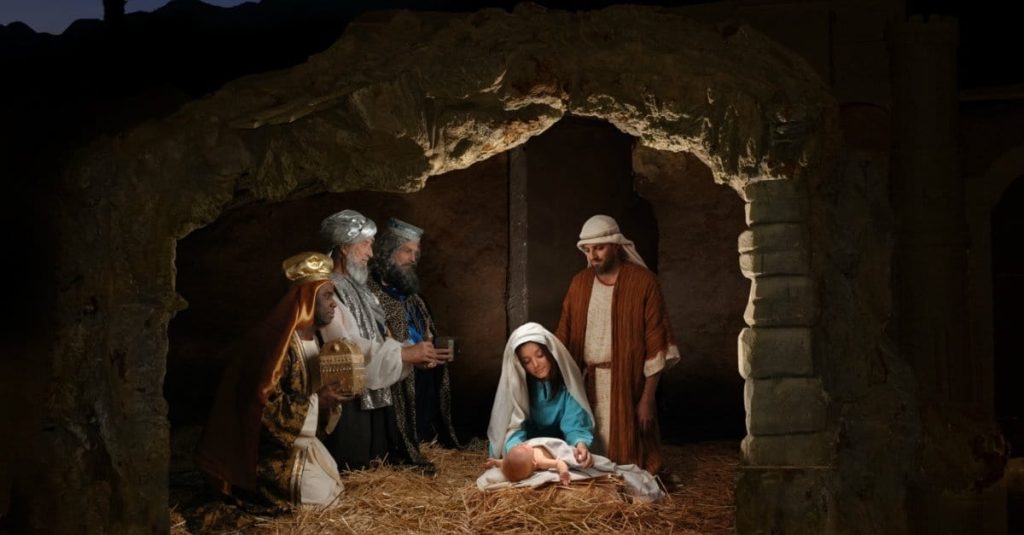
We celebrate Christmas by decorating evergreen trees with stars, angels, and tinsel, symbolising the eternal life that Jesus offers (John 4:14)—with stars, angels, and beauty all being associated with the birth of Jesus.
In the celebration of Christmas, we honour the love and humility of God. In Texas, in 1987, a young child named Jessica McClure fell into an eight-inch well casing. She descended, becoming trapped 22 feet beneath the surface. Once it was discovered that “Baby Jessica” was in the well, immediate action was taken. They did not instruct her to find a way to ascend, nor did they merely shout encouraging thoughts to her. Instead, they descended to her location and rescued her. They did whatever was necessary. Rescuers laboured tirelessly for fifty-eight hours to liberate her.
In the Garden of Eden, Adam and Eve fell. They plunged, pulling all of humanity into the shadows and death of sin. And what was God’s response? He did not instruct us to extricate ourselves from the predicament we found ourselves in, nor did He simply send down uplifting thoughts from heaven. Rather, He descended to our level and rescued us. This is the essence of Christmas: God’s descent to save us, to do whatever was necessary to free us from certain death.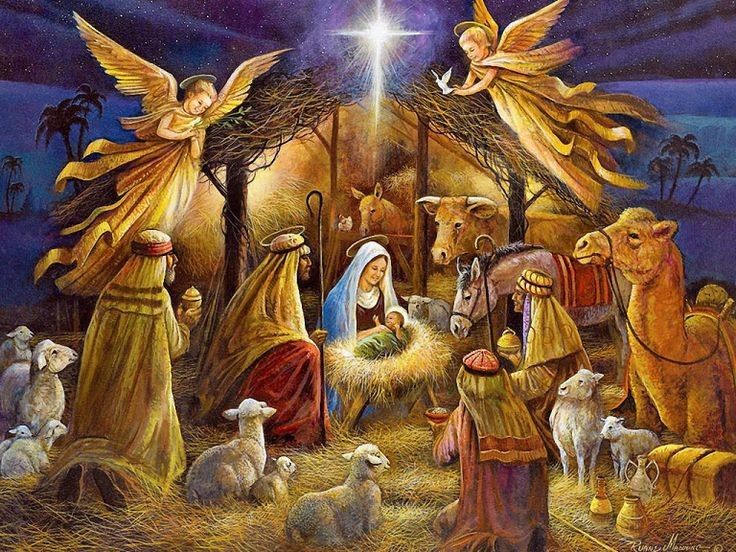
When even a single individual is faced with a life-threatening circumstance, we are able to take the necessary steps. When God gazed upon our sinful world, He perceived a multitude of people in peril. We celebrate Christmas because it was during this season that the Saviour of all humanity arrived to rescue us from the dire situation we faced. God did not remain in heaven; He came down to our level.
Merry Christmas!
Have a great week.
Questions or comments?
+1-609-887-6610 (WhatsApp)
